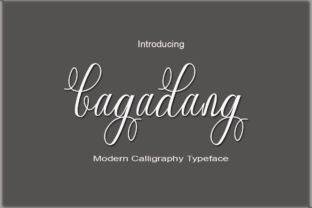
Bagadang Font: Elegant Script for Digital Branding
Using Bagadang Calligraphy Font for High-Converting Landing Pages
When integrating Bagadang into a digital environment, web designers quickly recognize that this stylish calligraphy font serves as more than just decorative text; it is a strategic tool for guiding user attention. As a premium script handwritten typeface, Bagadang possesses a varied baseline that introduces organic rhythm to rigid web grids, making it exceptionally effective for hero sections and landing page headers. In conversion-focused design, the goal is to reduce cognitive load while increasing emotional engagement, and the classic, elegant touches of this font achieve exactly that by softening the commercial nature of sales copy. When used for primary headlines or value propositions, Bagadang creates an immediate sense of bespoke quality that standard sans serif fonts often lack, helping to establish trust before the user even scrolls below the fold.
For UI designers crafting above-the-fold content, readability remains paramount despite the ornate nature of the letterforms. Because Bagadang features distinct character separation and fluid connectivity, it maintains legibility at larger display sizes typical of desktop hero banners. However, when deploying this elegant typeface for titles on responsive sites, it is crucial to test line-height settings extensively. The varied baseline means that descenders and ascenders require generous vertical breathing room to prevent clipping or visual crowding. By treating Bagadang as a graphical element rather than standard body text, designers can leverage its personality to highlight key conversion triggers, such as "Join the Waitlist" or "Shop the Collection," without sacrificing the sophisticated aesthetic required for luxury or lifestyle brands.
Bagadang Typography for Boutique E-Commerce Store Headers
Online store owners and e-commerce web designers utilize Bagadang to differentiate their brand identity in a saturated digital marketplace where generic fonts fail to convey exclusivity. Within the category of script handwritten fonts, Bagadang stands out for its ability to bridge the gap between traditional craftsmanship and modern web usability, making it ideal for boutique shops selling jewelry, artisanal goods, or high-end fashion. When applied to category titles, promotional banners, or limited-time offer badges, the font’s elegant touches signal premium value directly to the shopper. This psychological cue is essential for increasing average order value, as typography significantly influences perceived product worth. For digital product creators building Shopify or WooCommerce themes, including Bagadang as a header option provides merchants with an instant upgrade to their store's visual merchandising.
- Hero Banners: Use Bagadang for seasonal campaign titles to evoke emotion and urgency through elegant styling.
- Category Navigation: Apply the font to top-level menu items or collection headers to reinforce a luxury brand tone.
- Product Badges: Utilize the script style for "Best Seller" or "New Arrival" tags to draw the eye without aggressive colors.
- Checkout Encouragement: Implement subtle typographic accents near cart totals to maintain a premium feel throughout the purchase journey.
Designing Wedding Invitation Websites with Bagadang Script
Digital stationery designers and wedding website creators find Bagadang to be an indispensable asset among fonts designed for romantic and formal online experiences. The varied baseline mimics the natural flow of hand-lettering, providing the authenticity that couples desire for their digital invitations and RSVP pages. Unlike static print media, wedding websites must balance ornamental beauty with functional accessibility across mobile devices. Bagadang excels here because its classic structure remains recognizable even when scaled down for tablet or phone screens, provided it is reserved for names, dates, and section dividers rather than logistical details. This specific application leverages the font's inherent elegance to set the tone for the event, ensuring that the digital touchpoint feels as intentional and curated as the physical paper suite.
From a technical web design perspective, pairing Bagadang with a clean, neutral sans serif font is non-negotiable for maintaining usability on wedding platforms. While Bagadang handles the emotional heavy lifting for titles and signatures, supporting text regarding venue directions, accommodation options, and registry links should utilize highly legible system fonts like Inter, Lato, or Montserrat. This contrast establishes a clear visual hierarchy, allowing guests to scan for critical information quickly while still enjoying the stylistic flourishes of the main headings. Furthermore, when designing dark-mode versions of wedding sites, ensure that Bagadang is rendered in a light color with sufficient stroke weight; thin script lines can disappear against dark backgrounds, compromising both aesthetics and accessibility compliance.
Integrating Bagadang Logos and Signatures into Web Footers
Brand identity designers frequently turn to Bagadang when creating digital-first logos and signature elements that require a personal, human connection within a corporate or creative website. As a stylish calligraphy font, it offers unique ligatures and swashes that can transform a standard wordmark into a proprietary brand asset suitable for favicon generation, email signatures, and footer branding. For coaches, consultants, and creatives whose business relies on personal rapport, using Bagadang for a digital signature at the bottom of a sales page or blog post adds a layer of intimacy that typed text cannot replicate. This small detail reinforces the "human behind the screen" narrative, which is increasingly valuable in building long-term client relationships and fostering community loyalty.
When exporting Bagadang-based logos for web use, always prioritize SVG formats over PNGs to ensure crisp rendering on Retina displays and high-DPI mobile screens. Vector-based implementations allow the intricate curves of the script to scale infinitely without pixelation, preserving the integrity of the varied baseline across all viewport sizes. Additionally, consider creating simplified lockups for smaller applications; while the full Bagadang typeface is stunning for large headers, a condensed or monogram version may be necessary for navigation bars or social media profile integration. This adaptability ensures consistent brand recognition whether the user is viewing a comprehensive landing page or a quick Instagram story link.
Optimizing Bagadang Readability for Mobile App Screens
UI/UX designers working on mobile applications must approach Bagadang with specific constraints to ensure the stylish calligraphy font enhances rather than hinders the user experience. Script handwritten fonts are notoriously difficult to read at small sizes, so Bagadang should be strictly limited to display purposes such as welcome screens, achievement unlocks, or premium feature highlights. Never use this elegant typeface for functional UI elements like buttons, form labels, or navigation tabs, as the varied baseline disrupts alignment and reduces tap-target clarity. Instead, treat Bagadang as a reward mechanism within the interface; its appearance signals special content or elevated status, leveraging its classic touches to create moments of delight without compromising overall app usability.
Technical implementation also requires careful consideration of webfont loading strategies to prevent layout shifts when Bagadang renders on slower connections. Since script fonts often have larger file sizes due to complex glyph data, utilizing font-display: swap is essential to maintain performance metrics. However, because Bagadang has such a distinct silhouette compared to fallback system fonts, a significant FOUT (Flash of Unstyled Text) can be jarring. Designers should define precise size-adjustments and ascent-override metrics in CSS to align the fallback font closely with Bagadang’s dimensions. This attention to technical detail ensures that the transition from fallback to custom font is seamless, preserving the polished professional image that the typeface is intended to project.
Licensing Bagadang Fonts for Commercial Digital Products
Freelance web designers and agency owners must navigate the commercial licensing requirements of Bagadang to protect both themselves and their clients when delivering final digital assets. As a premium script handwritten resource, understanding the distinction between desktop, webfont, and app licenses is critical for accurate project quoting and legal compliance. If you are designing a template for sale on marketplaces like ThemeForest or Creative Market, verify whether the license permits redistribution or if end-users must purchase their own copy of Bagadang. Transparency regarding font licensing builds professional trust and prevents future legal complications for businesses using your designs for logos, t-shirts, or merchandise derived from web branding.
For projects involving physical-digital hybrids, such as e-commerce stores selling branded apparel, ensure the license covers both web usage and merchandise production. The product description notes suitability for t-shirts and logos, but font foundries often separate these rights into different tiers. Always review the specific EULA (End User License Agreement) included with Bagadang before commencing work. Documenting these permissions in your client handover files demonstrates thoroughness and expertise. Furthermore, keeping organized records of purchased licenses allows for easy auditing and scaling as a client’s digital presence grows from a simple landing page to a comprehensive multi-platform brand ecosystem requiring broader typographic rights.