Blockhead Font: Bold Branding for Small Business
Using Blockhead Sans Serif Fonts for Strong Logo Design
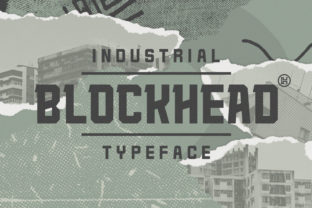
Blockhead is a bold and powerful sans serif font with a unique touch that serves as an exceptional foundation for small business logo design. When you are building a brand identity from scratch, the typeface you choose carries the weight of your first impression, and this specific style of Fonts communicates confidence without feeling corporate or sterile. As a business owner, I have found that using a display font like Blockhead allows my logo to remain legible even when scaled down for social media avatars or embroidered onto staff uniforms. The geometric strength inherent in this Sans Serif structure provides a sense of stability and trustworthiness that is essential for service providers, boutiques, and startups looking to establish authority in their niche.
The unique feel of Blockhead helps differentiate a handmade business from mass-market competitors by adding personality to an otherwise clean aesthetic. While many standard sans serif fonts can feel generic, Blockhead offers distinct character shapes that make a wordmark memorable on a business card or storefront signage. For entrepreneurs in creative industries like photography, coaching, or artisanal food production, this balance between modern typography and approachable boldness creates a visual anchor. It signals to customers that your business is professional yet retains a human element, which is often the deciding factor for clients choosing between similar local services.
Blockhead Typography for Product Packaging and Labels
Applying Blockhead to product packaging and labels ensures your items stand out on crowded shelves or in digital marketplace thumbnails. In the world of physical goods, readability is paramount, and the sturdy construction of these Sans Serif Fonts guarantees that product names remain clear even on small jar labels or textured paper tags. I use this typeface specifically for primary product identifiers because its bold weight creates necessary contrast against busy background patterns or natural material textures. Whether you are selling organic skincare, craft beverages, or pet accessories, the assertive nature of Blockhead draws the eye immediately to the most important information on the package.
Beyond mere visibility, utilizing Blockhead in packaging design reinforces brand consistency across different product lines. When customers see that familiar, powerful lettering on a new item, they instantly recognize it as part of your collection, reducing the cognitive load required to trust a new purchase. This font works particularly well for minimalist packaging where the typography must do the heavy lifting of conveying quality and value. Because it avoids excessive ornamentation, it leaves ample negative space for regulatory text and ingredients lists, ensuring compliance without sacrificing aesthetic appeal. For small batch sellers, this efficiency in design translates directly to perceived professionalism and higher perceived value.
Creating Social Media Graphics with Blockhead Display Fonts
Social media content demands immediate attention, and Blockhead is a bold and powerful sans serif font with a unique touch that stops the scroll effectively. When designing Instagram carousels, Pinterest pins, or Facebook ad creatives, the thick strokes of this typeface maintain integrity against colorful backgrounds and complex imagery. As creators, we know that thin fonts often disappear on mobile screens, but the substantial weight of Blockhead ensures your headlines are readable within milliseconds. This practical advantage means your marketing message lands clearly regardless of the device your potential customer is using, increasing engagement rates and click-throughs for promotional posts.
The versatility of Blockhead extends to video overlays and story templates where text needs to be punchy and concise. I frequently pair this Sans Serif with dynamic motion graphics because its solid forms provide a stable visual counterpoint to moving elements. For business owners managing their own content creation, having a go-to display font that works across multiple platforms saves time and maintains visual coherence. You can use Blockhead for sale announcements, educational tips, or testimonial quotes, knowing that the tone will always align with your broader brand voice. Its modern edge appeals to younger demographics while remaining accessible enough for older audiences, making it a safe yet stylish choice for diverse follower bases.
Pairing Blockhead with Readable Body Text Fonts
Successful brand systems rely on hierarchy, and pairing Blockhead with complementary body text Fonts creates a balanced and functional layout. While Blockhead excels as a headline or accent typeface, it should generally be supported by a lighter, more neutral sans serif or a clean serif font for long-form reading. In my own website design and email newsletters, I reserve Blockhead for section headers and call-to-action buttons while using a highly legible companion font for paragraphs and product descriptions. This contrast not only improves user experience but also highlights the unique personality of Blockhead by giving it room to breathe without overwhelming the viewer.
For printed materials like menus, brochures, and thank-you cards, this pairing strategy is equally critical for guiding the customer’s eye through information. A café menu using Blockhead for category titles and a simpler typeface for item details ensures patrons can scan options quickly during busy service hours. Similarly, e-commerce sites benefit from this approach by making navigation intuitive and reducing bounce rates. When selecting a partner font, look for something that shares similar x-height proportions or geometric undertones to create harmony rather than conflict. Testing these combinations in real-world scenarios, such as printing a sample label or viewing a web mockup on a phone, prevents costly redesigns later and ensures your typography system functions practically across all touchpoints.
Licensing Blockhead Fonts for Commercial Business Use
Before integrating Blockhead into any revenue-generating project, verifying the commercial license for these Fonts is a non-negotiable step for responsible business ownership. Many entrepreneurs mistakenly assume that downloading a font grants unlimited usage rights, but licensing terms vary significantly regarding merchandise, client work, and digital products. I always review the specific End User License Agreement (EULA) to confirm whether my intended use cases, such as selling t-shirts with Blockhead typography or embedding the font in a downloadable template, are covered. Securing the proper commercial license protects your business from legal risks and supports the type designer who created this valuable asset.
Understanding licensing tiers also helps budget-conscious founders plan their expenses accurately as they scale. Some licenses for Sans Serif typefaces like Blockhead may have limits based on the number of users, annual revenue, or print runs, requiring upgrades as your business grows. Investing in the correct license upfront is far more cost-effective than facing retroactive fees or rebranding costs down the line. Additionally, keeping records of your font licenses is a best practice for due diligence, especially if you ever seek investment or plan to sell your business. Treating typography assets with the same respect as inventory or software subscriptions demonstrates operational maturity and ensures your brand remains built on a solid, compliant foundation.